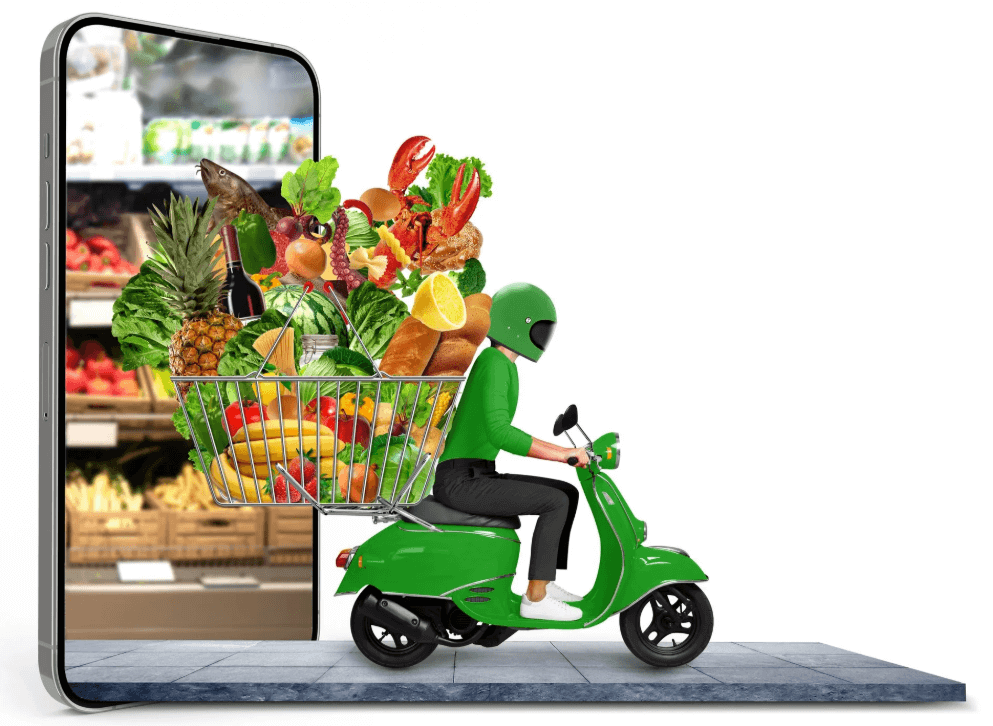
South Africa’s retail landscape is in the midst of a structural reset. Macroeconomic pressures, rapid technological advancements and radical changes in consumer behaviour. Traditional physical, in-store retail categories, long driven by predictable footfall and stable tenancy patterns, are giving way to an agile, omnichannel model.
Online retail sales in South Africa were expected to surpass R130 billion in 2025, illustrating the scale of this transformation and its impact and pressure on established retail formats. For developers and landlords, understanding how fluid retail categories have become is now critical to long-term asset viability, as the once neatly compartmentalised and clearly defined retail sectors continue to blur.
The Shifting Sands of Retail Categories
Once mainstays of shopping centres, retail sectors such as music stores, video rental stores and photography labs have either disappeared or undergone significant transformation. Digitalisation such as streaming and downloads renders video rental and physical music stores obsolete. Photography services are now often integrated into electronics retailers or online platforms.
In their place, new categories have emerged, reflecting modern consumer needs and demands. There is a significant rise in:
- Experiential Retail: Active entertainment centres (e.g. trampoline parks, escape rooms); DIY studios; boutique gaming lounges – all cater to consumers seeking engagement, interaction, shared experiences and active fun.
- Wellness and Specialised Health: Demand has shifted from general ‘health and beauty’ stores, to niche fitness studios (Pilates, HIIT), aesthetic clinics, and specialised nutraceutical outlets catering to specific lifestyle or dietary needs.
- Technology and Convenience Services: Stores dedicated to smart home devices, drone technology, rapid device repair and tech support are becoming essential. This includes e-commerce ‘experience stores’ and click-and-collect hubs, blurring the lines between online and physical shopping.
- Sustainable and Ethical Consumption: Zero-waste shops, refill stations and retailers offering ethically sourced or upcycled products are gaining traction among environmentally conscious consumers.
This transformation is not just about new products but new ways in which retailers engage with consumers, bringing about the rise of experiential retail, specialised health and wellness outlets, technology and automated services, and sustainable consumption options.

“These examples illustrate that convenience, experience and personal values are increasingly central to the retail proposition.”
Sanett Uys
Head of Advisory, Afroteq
The Digital Blitz: Online Grocery and the Threat to Footfall
This rapid transformation is best illustrated by grocery retail. The dramatic acceleration of on-demand grocery platforms, often referred to as “Quick Commerce,” has irrevocably altered shopping habits and significantly impacted retail sales. Services like Checkers Sixty60, Pick n Pay ASAP, Woolworths Dash and the expansion of Mr D into groceries have fundamentally challenged the role of the supermarket anchor in a shopping centre.
These platforms have redefined convenience with groceries delivered to one’s doorstep within minutes. This speed and ease of access impact three key areas:
- Explosive Growth and Market Share: E-commerce in South Africa is growing at a rate more than ten times that of physical retail, with food and beverages showing the highest compound annual growth. Checkers Sixty60 alone, reported growth rates upwards of 47% in the first half of 2025. Retailers with robust online grocery offerings have gained a significant competitive advantage: attracting new customers and retaining existing ones who value the convenience, thereby capturing disproportionate market share.
- Cannibalisation of Traditional In-Store Sales and Declining Footfall: While these platforms drive sales growth for the retailers operating them, they also reduce physical store visits and basket sizes from their own outlets, particularly for urgent or top-up shopping needs. This indicates that for routine necessities, shoppers prioritise convenience and speed over the in-store experience. This translates into diminished footfall in shopping centres, particularly for smaller retailers who rely on the traditional grocery shop to drive impulse purchases.
- The New Anchor and Redefining “Convenience”: Physical supermarkets are no longer solely sales drivers; they increasingly function as fulfilment hubs – ‘dark stores’ dedicated to on-demand deliveries. This structural change compels landlords to rethink rental agreements, moving away from turnover-based rental models for grocery anchors to account for their crucial role in digital sales. Online rapid delivery has redefined what ‘convenience’ means, making it less appealing to go to a store. This growing pressure forces traditional convenience stores to rethink their in-store offering.
The overall impact on South African retail sales is complex and warrants deeper critical analysis. Overall retail sales are not simply increasing, but rather being redistributed across competing channels. This shift introduces both opportunities and challenges. Certain retailers gain market share via digital platforms, while others – especially those with weaker online presences, may experience losses. High investment costs in logistics, technology, and delivery also raise barriers to entry, widening the gap between large retailers and smaller competitors. As a result, competition intensifies, market consolidation increases and many traditional retailers are forced to rethink their business models to survive.
The Generational Shift: Preference Beats Category
The next generation of South African consumers – Millennials and Generation Z – do not approach shopping with the same rigid category definitions as previous groups. Their purchasing behaviour is defined by three key principles:
- Personalised Value: Loyalty is secondary to securing the best price and offer. Shoppers are highly conscious of their restricted discretionary spending and will actively seek out promotions and savings. Retailers must therefore integrate loyalty systems and personalised discounts across their digital and physical channels.
- Experience and Values: The physical store must provide a unique experience – either through specialised service, social atmosphere, or self-care (e.g. wellness, beauty treatments). Retailers who align with ethical and sustainable values are prioritised, driving demand for Experiential Retail (e.g. entertainment, dining, interactive beauty counters) and “clean” or sustainable product lines.
- Omnichannel Research: Consumers are highly likely to use mobile search to discover a product and compare prices online before visiting a physical store to touch, feel, or try it on. The lines between categories like Apparel, Beauty and Electronics blur into a unified brand experience. Retailers like TFG (with its BASH platform) leverage this by offering a cross-brand digital experience that unifies several fashion and lifestyle brands into one seamless online and in-store, driving sales across their physical store portfolio.
For these demographics, categories are fluid. They might buy a wellness product from a specialist online retailer, clothing from an Instagram-discovered brand, or home décor from an experiential pop-up store. The decision is less about “I need to go to the sportswear store” and more about “I need an outfit for a festival that reflects my sustainable values”. Retailers must therefore adapt by creating fluid brand identities and omnichannel presences that resonate with these preference-driven shoppers.

The Demise of Department Stores and the Rise of Big Box Retail
Globally and in South Africa, the traditional department store model, once a retail titan, has found itself struggling for survival and relevance over the past few decades. Characterised by multiple floors, a vast array of undifferentiated brands and a generalist approach to product curation, these stores often suffered from:
- Lack of Specialisation: Unable to compete with specialist boutiques on expertise, or with discounters on price.
- Slow Adaptation: Difficulty in rapidly responding to changing fashion trends or technological shifts due to complex inventory management and large footprints.
- Online Competition: The rise of e-commerce provided consumers with an endless, ‘virtual aisle’ of choices, often at better prices and with greater convenience, eroding the department store’s unique selling proposition.
- High Overheads: Large physical spaces, extensive staffing and complex operational structures led to high operating costs.
In the vacuum created by their decline, big box retail has surged. These include hypermarkets, specialised electronics superstores, homeware warehouses and discount retailers. Their success stems from:
- Economies of Scale: Offering vast product selections, often at competitive prices, due to bulk purchasing power and efficient logistics.
- Specialised Focus: Whilst large, they often focus on specific categories (e.g. electronics, DIY, groceries), allowing for deeper inventory and expertise than a department store.
- Efficiency: Designed for high volume and efficient customer flow, often with ample parking and straightforward layouts.
- Value Proposition: They clearly define their value proposition, whether it’s unbeatable prices, the widest selection, or expert advice in a specific area.
This shift represents a move from a ‘one-stop-shop for everything’ to either a ‘one-stop-shop for one category at great value’ (big box) or a highly curated, experiential, or values-driven shopping journey (new categories).
Conclusion
The South African retail market is undergoing a profound metamorphosis. Categories are no longer static, and success now hinges on understanding a dynamic consumer base that prioritises convenience, experience and personal alignment over traditional shopping habits. The seismic shifts brought about by online grocery, the preference-driven shopping of younger generations, and the ascendancy of big box formats signify a future in which agility, customer-centricity and seamless omnichannel integration are not merely advantageous but essential for long-term survival and growth.
These changes don’t just affect how retailers compete with each other – they also change the overall market. Bigger retailers may grow even larger, making it harder for smaller shops to enter or survive. At the same time, everyone in the supply chain is being pushed to rethink how they use shop space, where they invest in technology and what skills their employees need.
Retailers that adapt a hybrid model early on – by combining online and in-store shopping, creating unique and enjoyable in-store experiences and using digital tools to reach more customers — will be better able to survive the changing high street. They will also help build a stronger and more sustainable retail industry in South Africa.
Related

THE BACKBONE OF SMARTER ASSET MANAGEMENT Condition assessments are one of the cornerstones of asset management. The knowledge of the actual condition of assets is important to operate in [...]

QUANTITY SURVEYORS: THE GAME-CHANGERS YOU DON’T SEE ON SITE When you think of mega projects such as power plants, highways and skyscrapers, you probably picture engineers in hard hats [...]