
WORKING AT HEIGHTS IN CONSTRUCTION
Important facts :
- Falls from height remain one of the leading causes of fatalities in construction.
- Even falls from relatively low heights can result in serious injury or death.
- Legal compliance is mandatory and non-negotiable.
- Proper planning and supervision significantly reduce risk
 Legal Requirements :
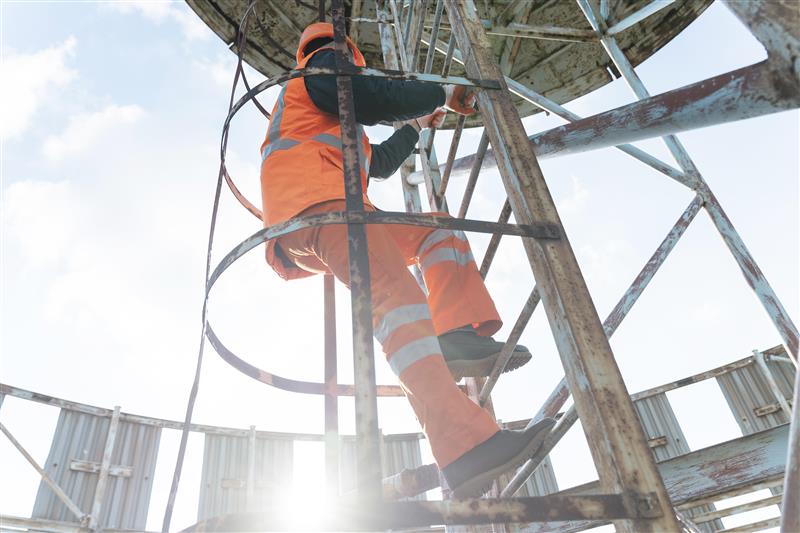
- A Fall Protection Plan must be developed and implemented.
- Work at heights must be supervised by a competent person.
- Workers must be trained and medically fit.
- Proper fall protection equipment must be
provided and maintained. - A rescue plan must be in place before work
commences.
Common Hazards :
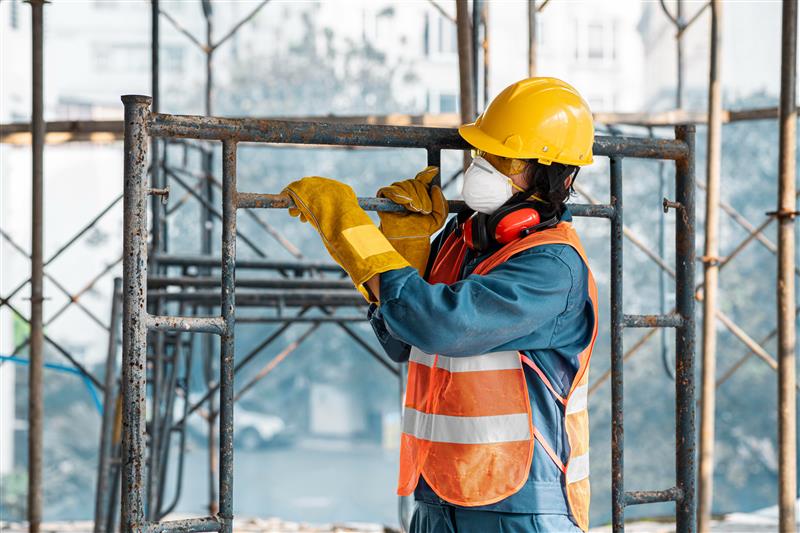
- Unprotected edges and openings
- Unsafe or incomplete scaffolding
- Fragile roofing materials
- Improper ladder use
- Slippery or unstable surfaces
- Adverse weather conditions (wind, rain)
Control Measures :
- Engineering Controls – Guardrails and toe boards; Covered floor openings; Properly erected and inspected scaffolding.
- Administrative Controls – Approved fall protection plan; Toolbox talks and training; Permit-to-work system; Supervision by a competent person.
- PPE (last line of defence) – Full body harness; Double lanyard with shock absorber; Lifelines and certified anchor points; Non-slip safety boots; Hard hats with chin straps.
Employee Responsibilities :
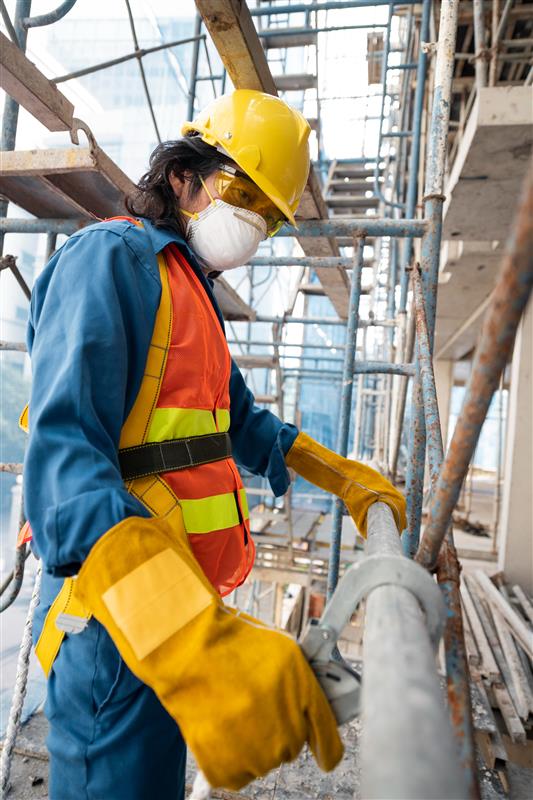
- Inspect fall protection equipment before use.
- Do not work at heights without authorisation.
- Report unsafe conditions immediately.
- Follow method statements and risk assessments.
- Never remove guardrails without permission.
Emergency Preparedness :
- A site-specific rescue plan must be available.
- First aiders must be available on site.
- Emergency contact numbers must be clearly displayed.
- Rescue equipment must be readily accessible.
Working at Heights in construction
Download PDF